Wooldrick's Interpretation Workshop
Wooldrick’s Interpretation Workshop offers full-service support for museums, parks, and heritage sites looking to create compelling exhibits and storytelling experiences.
CIG Workshops
2025 CIG student comments"You are an incredible teacher! I thoroughly enjoyed having the opportunity to learn from you this past week. You made learning this material fun and engaging. I will hold the memories we made during this course dearly!""I wanted to say thank you again for a great course, you were an amazing instructor!""Thanks again for an amazing course! I really appreciate your kind words and all of your help and advice.""Walt was an extremely kind and enthusiastic instructor and inviting really interesting discussion. I also felt like I learned a lot about what it means to be an interpretive guide and feel confident in presenting a program from the skills that I have gained.""Walt was a very kind and helpful instructor. It was evident that he had extensive experience in the field and fostered such a welcoming and collaborative environment."
Email, call, or text Walt to setup your own custom in person or virtual CIG workshop or non-certificate interpretive training course:
713-825-9131
He is my great great great great great great grandfather-a patriot who died founding the American Republic.
Interpretive Training and Planning
Led by Walt Bailey, a Certified Interpretive Trainer through the National
Association for Interpretation Wooldrick’s also offers:
*Face-to-Face and Virtual Certified Interpretive Guide(CIG) workshops
*Highly personalized instruction-remote and face to face
*Dialogic and audience participatory interpretation
*Emphasis on creating programs that become thematic conversations
*Training provoking questions from your audience
*Custom training workshops for the needs of your site
*Living History Interpretation
*Interpretive Master Plans
Interpretive Master Planning Expertise
Over the past 18 years, I have written and contributed to dozens of interpretive master plans for a wide range of natural, cultural, and historic sites. These plans have served as foundational tools for enhancing visitor engagement, resource protection, and interpretive program development. My work has involved close collaboration with a variety of stakeholders—including park staff, community members, tribal representatives, historians, scientists, and nonprofit partners—to ensure that each plan reflects the unique identity, mission, and needs of the site. Each project has followed a rigorous review process, incorporating site assessments, audience analysis, and interpretive theme development to deliver practical, achievable strategies. From small historic house museums to large multi-use parks and nature centers, I bring the same commitment to clarity, creativity, and long-term impact to every planning effort.
This interpretive master plan was written during my tenure as a staff interpreter and planner with Texas State Parks. It is included here with attribution as a public document to illustrate the kind of strategic planning and site-specific storytelling I bring to every project through Wooldrick’s Interpretation Workshop
One Stop Shop Exhibits
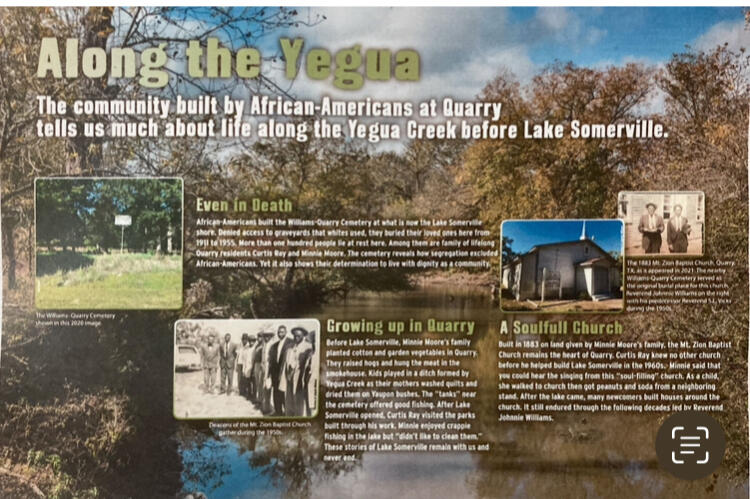
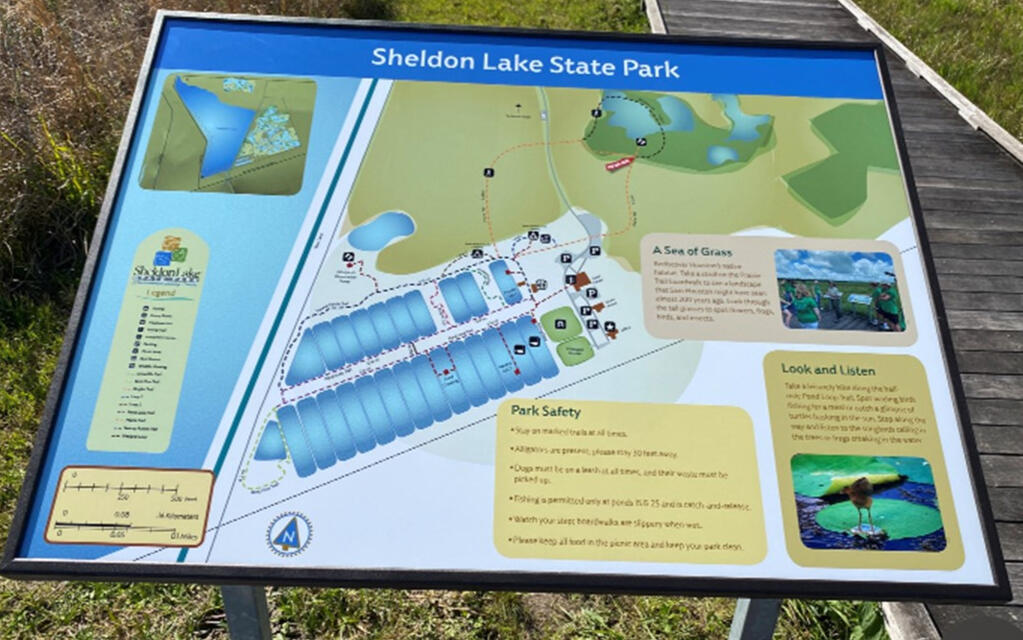
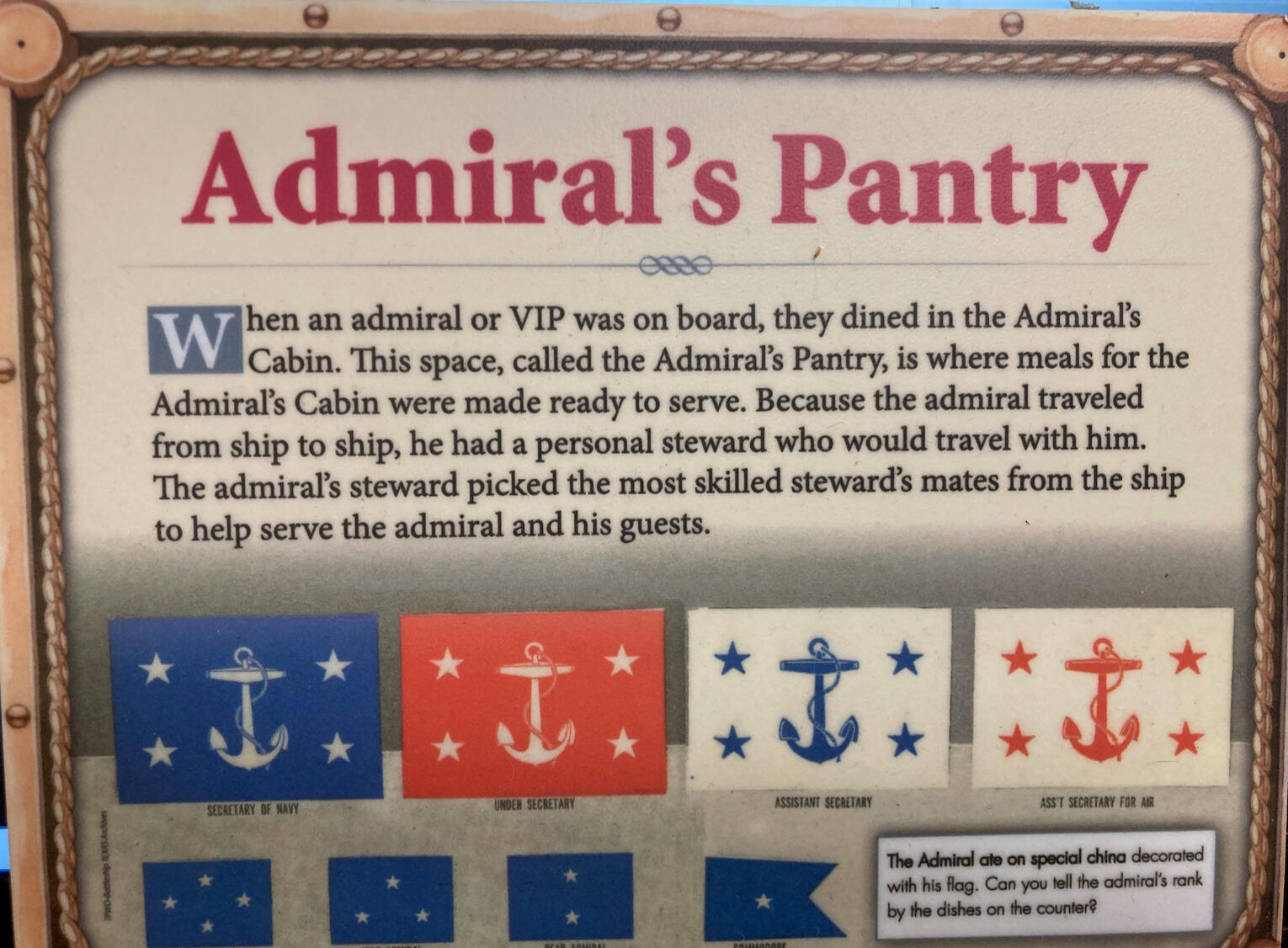
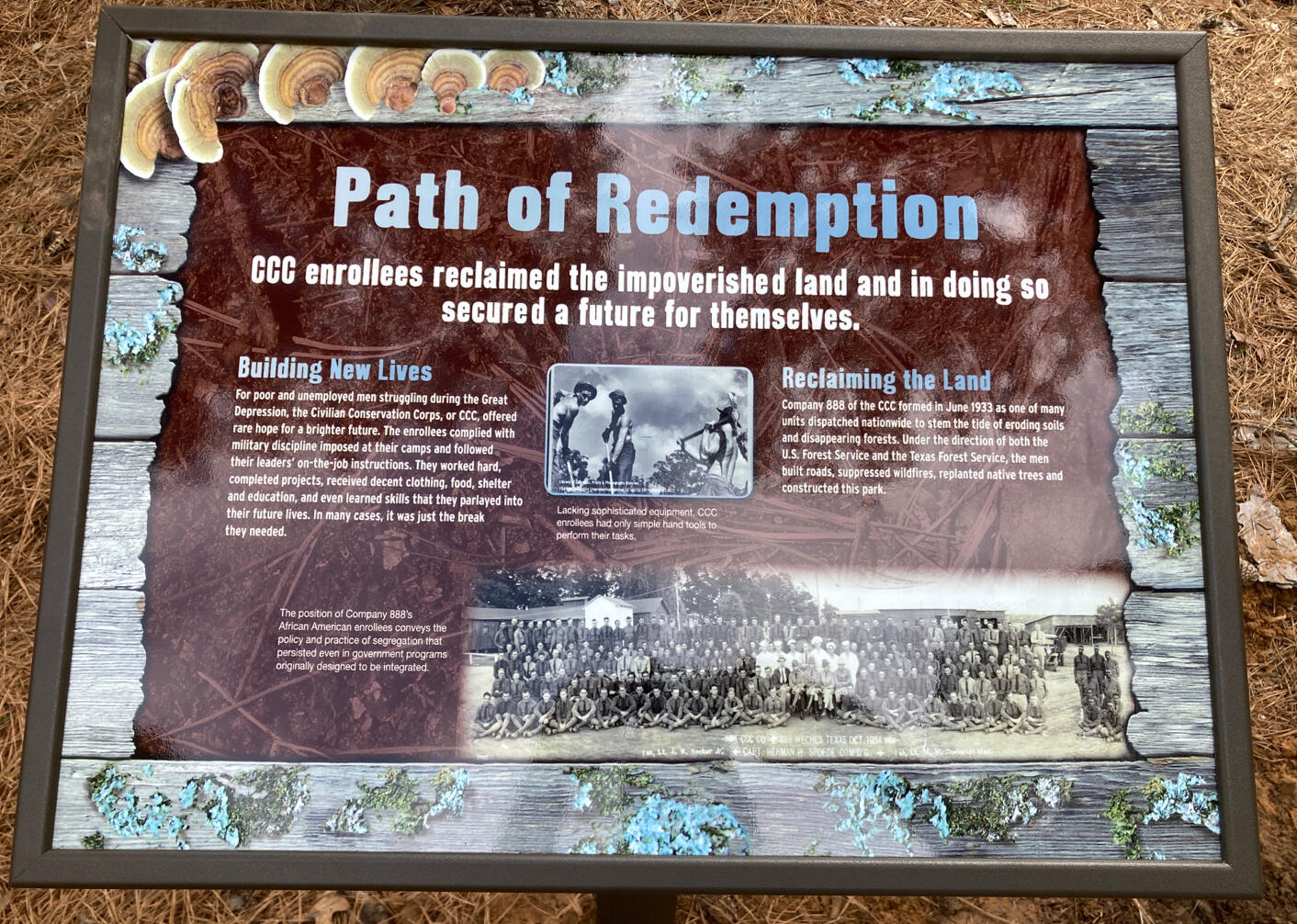
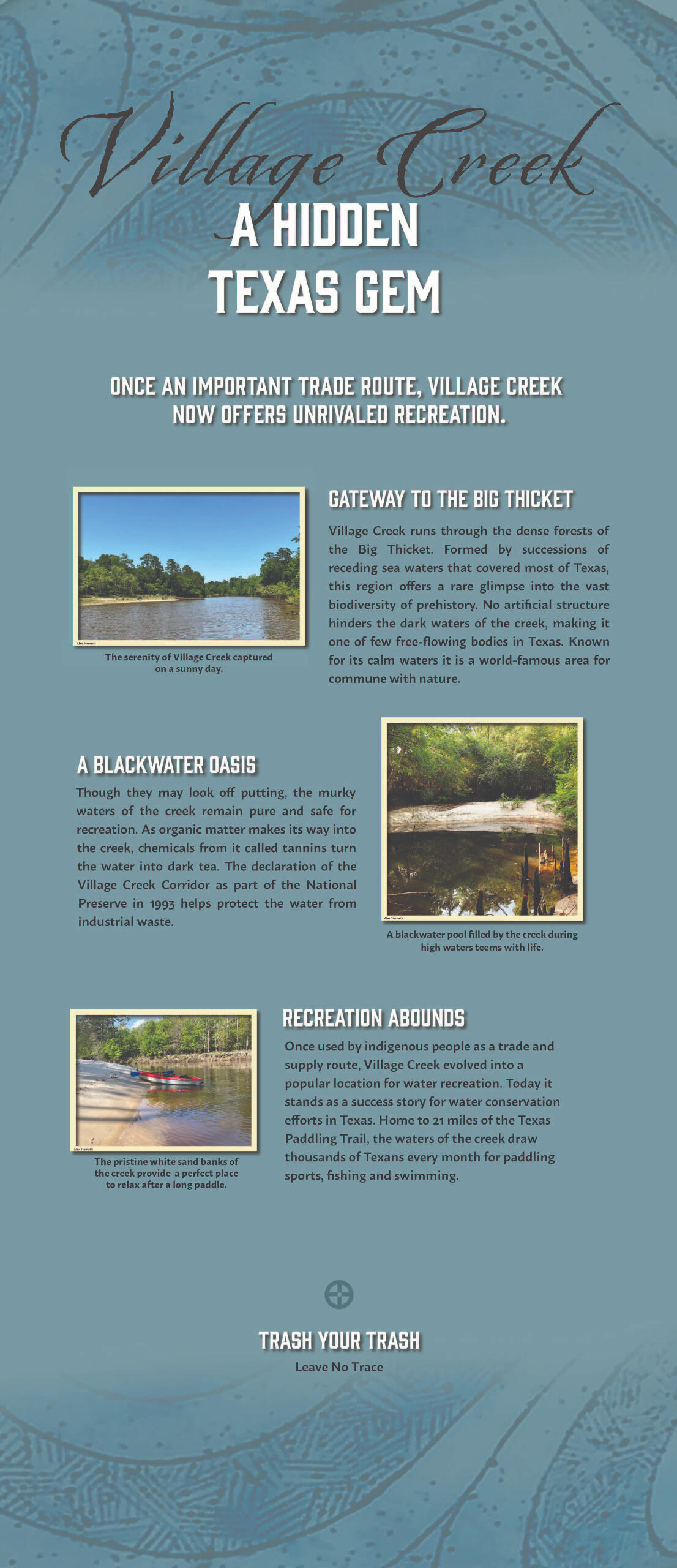
We specialize in:
*Historical research and primary-source based interpretation
*Interpretive writing grounded in narrative engagement
*Graphic design for indoor and outdoor exhibits
*Audience-focused layouts, panels, and digital content
*Natural history exhibits and georeferenced trail maps
*QR code based exhibits Inspired by 25 years of experiences, our work blends scholarly accuracy with story telling-crafted to inform and inspire
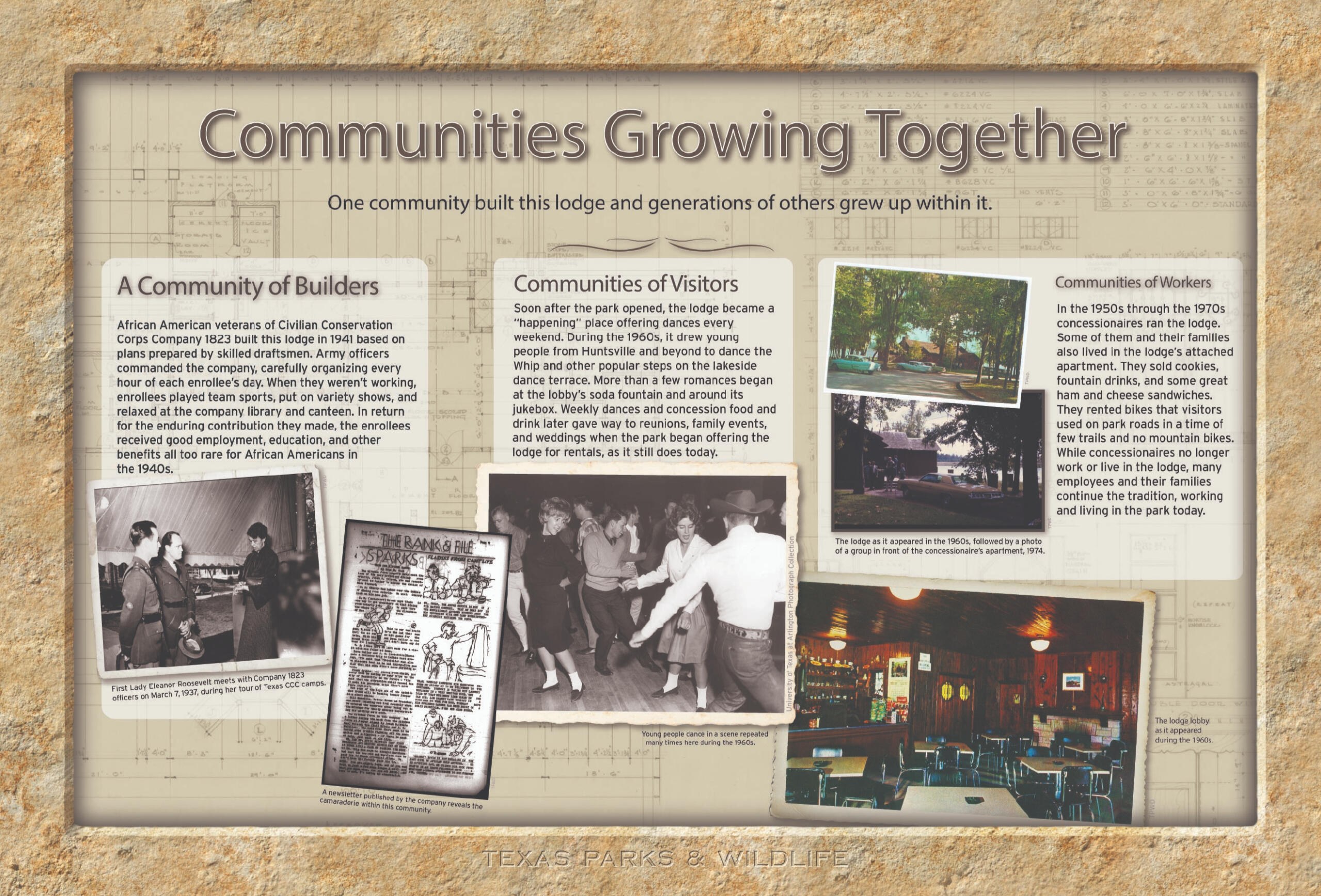
Our ability to research, write, design, plan, and produce allows us to create high quality exhibits at low cost.Call us for a quote.713-825-9131

Walt Bailey, MA
Certified Interpretive Trainer
420 Church St.
Dublin, VA 24084[email protected]
713-825-9131
Applications are for event performers/presenters/living history volunteers. It is not required for the general public. Those interested in participating as event performers/presenters/living history volunteers please print, complete, sign and return your application to the email or postal address on the form by July 15, 2026.
Battle of Island Flats 250th Anniversary Commemoration
The Exchange PlaceJuly 25–26 | Kingsport, TennesseeJuly 25th 10am-3:00pm
July 26th 12pm-3:00pmContact Walt Bailey
713-825-9131[email protected]Free of chargeJoin us for a powerful and immersive commemoration of the 250th anniversary of the Battle of Island Flats, the opening major engagement of the Cherokee War of 1776. Fought near the Holston River in present-day Kingsport, this pivotal conflict marked the beginning of a brutal frontier war that reshaped the future of the American south and west.In July 1776, Cherokee warriors under the leadership of Dragging Canoe launched coordinated attacks against frontier settlements including the Watauga communities. At Island Flats, Virginia militia from Fincastle County met that attack in a desperate and defining struggle—one that would set in motion a wider campaign culminating in the invasion of Cherokee towns and the eventual Treaty of Long Island (Treaty of Avery) in what is now Kingsport in 1777.This two-day commemoration will bring that moment and its consequences to life through historically grounded, place-based interpretation at and near the original battlefield, located near present-day Fort Henry Mall and Ross N. Robinson Middle School.Featured Experiences Include:• Living History Encampments & Material CultureEngage directly with Cherokee interpreters from the Appalachian region and Virginia militia living historians as they present the lifeways, clothing, and technologies of the 18th-century frontier. This is not a staged performance, but an opportunity to explore how people on both sides lived, prepared, and understood the conflict.• Historic Weapons DemonstrationsScheduled firing demonstrations of reproduction 18th-century firearms will interpret the realities of frontier warfare, including the capabilities and limitations of the weapons used during the battle.• Historic FoodwaysExperience the tastes and techniques of the 18th century through demonstrations of period food preparation, offering insight into the daily realities of survival in a contested landscape.• Descendants’ Panel DiscussionA moderated conversation featuring descendants of participants on both sides of the Cherokee War, exploring memory, legacy, and the long human shadow of the conflict.• War Walk: Battlefield InterpretationGuided interpretive walks across the landscape of the battle itself will connect participants directly to the terrain, decisions, and movements that shaped the engagement. This is an opportunity to understand the battle as it unfolded on the ground—not as abstraction, but as lived experience.• Primary Sources & Historical DocumentsExamine Revolutionary-era pension applications and other firsthand accounts from veterans of the conflict. These documents offer rare and compelling insight into how participants remembered—and justified—the war decades later.• Treaty of Long Island (Avery) InterpretationLearn about the 1777 treaty negotiated on the Long Island of the Holston, which brought the war to a close and opened vast areas of present-day Southwest Virginia, East Tennessee, Western North Carolina, and Kentucky to American settlement—lands that remain central to ongoing historical and cultural conversations today, including the treaty site now occupied by Eastman Chemical Company.This commemoration does not present a simplified or celebratory narrative. Instead, it invites participants to confront the complexity of the Cherokee War—its causes, its violence, and its consequences—through direct engagement with place, people, and primary evidence.
Battle of Island Flats 250th Anniversary Commemoration
The Exchange PlaceJuly 25–26 | Kingsport, TennesseeJuly 25th 10am-3:00pmJuly 26th 12pm-3:00pmContact Walt [email protected] of charge
Join us for a powerful and immersive commemoration of the 250th anniversary of the Battle of Island Flats, the opening major engagement of the Cherokee War of 1776. Fought near the Holston River in present-day Kingsport, this pivotal conflict marked the beginning of a brutal frontier war that reshaped the future of the American south and west.In July 1776, Cherokee warriors under the leadership of Dragging Canoe launched coordinated attacks against frontier settlements including the Watauga communities. At Island Flats, Virginia militia from Fincastle County met that attack in a desperate and defining struggle—one that would set in motion a wider campaign culminating in the invasion of Cherokee towns and the eventual Treaty of Long Island (Treaty of Avery) in what is now Kingsport in 1777.This two-day commemoration will bring that moment and its consequences to life through historically grounded, place-based interpretation at and near the original battlefield, located near present-day Fort Henry Mall and Ross N. Robinson Middle School.Featured Experiences Include:• Living History Encampments & Material CultureEngage directly with Cherokee interpreters from the Appalachian region and Virginia militia living historians as they present the lifeways, clothing, and technologies of the 18th-century frontier. This is not a staged performance, but an opportunity to explore how people on both sides lived, prepared, and understood the conflict.• Historic Weapons DemonstrationsScheduled firing demonstrations of reproduction 18th-century firearms will interpret the realities of frontier warfare, including the capabilities and limitations of the weapons used during the battle.• Historic FoodwaysExperience the tastes and techniques of the 18th century through demonstrations of period food preparation, offering insight into the daily realities of survival in a contested landscape.• Descendants’ Panel DiscussionA moderated conversation featuring descendants of participants on both sides of the Cherokee War, exploring memory, legacy, and the long human shadow of the conflict.• War Walk: Battlefield
InterpretationGuided interpretive walks across the landscape of the battle itself will connect participants directly to the terrain, decisions, and movements that shaped the engagement. This is an opportunity to understand the battle as it unfolded on the ground—not as abstraction, but as lived experience.• Primary Sources & Historical DocumentsExamine Revolutionary-era pension applications and other firsthand accounts from veterans of the conflict. These documents offer rare and compelling insight into how participants remembered—and justified—the war decades later.
• Treaty of Long Island (Avery) InterpretationLearn about the 1777 treaty negotiated on the Long Island of the Holston, which brought the war to a close and opened vast areas of present-day Southwest Virginia, East Tennessee, Western North Carolina, and Kentucky to American settlement—lands that remain central to ongoing historical and cultural conversations today, including the treaty site now occupied by Eastman Chemical Company.This commemoration does not present a simplified or celebratory narrative. Instead, it invites participants to confront the complexity of the Cherokee War—its causes, its violence, and its consequences—through direct engagement with place, people, and primary evidence.